-
 Open Hours: Mon- Sat 10:00 am - 06:30pm



PCOS vs PCOD: Key Differences, Symptoms, Diagnosis & Treatment

Gynae PCD Franchise in India: Why Novalab Gynecare is the Best Choice for Your Women’s Health Business
June 26, 2026
Top 10 Best PCOS Medicines in India: A Complete Guide for Healthcare Professionals
July 3, 2026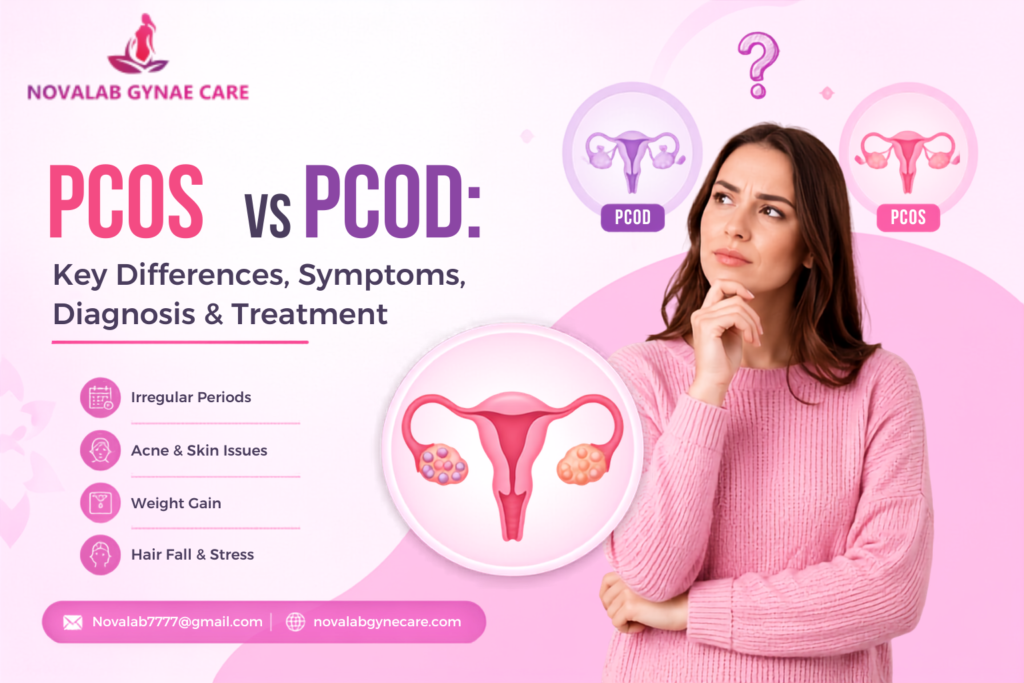
Hormonal disorders affecting women’s reproductive health have become increasingly common, with PCOS (Polycystic Ovary Syndrome) and PCOD (Polycystic Ovarian Disease) often being confused as the same condition. While both involve the ovaries and share several symptoms, they differ significantly in terms of severity, causes, long-term health impact, and treatment approach.
Understanding the distinction between PCOS and PCOD is essential for healthcare professionals, pharmacists, medical distributors, and entrepreneurs associated with the pharmaceutical industry. It also helps women seek timely diagnosis and appropriate medical care.
In this article, we explore the key differences, symptoms, diagnosis methods, and treatment options for PCOS and PCOD.
What is PCOD?
Polycystic Ovarian Disease (PCOD) is a hormonal condition in which the ovaries produce immature or partially mature eggs that eventually develop into cysts. These cysts can lead to enlarged ovaries and hormonal imbalance.
PCOD is generally considered a manageable condition and often improves with lifestyle modifications such as regular exercise, a balanced diet, and maintaining a healthy body weight.
What is PCOS?
Polycystic Ovary Syndrome (PCOS) is a more complex endocrine disorder that affects the ovaries, metabolism, and hormonal balance. Women with PCOS often produce higher-than-normal levels of androgens (male hormones), which interfere with ovulation and may result in irregular menstrual cycles or infertility.
Unlike PCOD, PCOS is associated with metabolic complications such as insulin resistance, obesity, type 2 diabetes, and cardiovascular risk, making long-term medical management essential.
PCOS vs PCOD: Key Differences
| Feature | PCOD | PCOS |
|---|---|---|
| Nature of Condition | Ovarian disorder | Endocrine and metabolic disorder |
| Hormonal Imbalance | Mild | Significant |
| Ovulation | Irregular but often continues | Frequently absent or severely affected |
| Severity | Generally less severe | More serious and chronic |
| Fertility Impact | Usually manageable | Higher risk of infertility |
| Metabolic Complications | Less common | Common, including insulin resistance |
| Treatment | Lifestyle changes and medication | Long-term medical management with lifestyle modifications |
Common Symptoms of PCOD and PCOS
Although symptoms may overlap, their severity often differs.
Symptoms of PCOD
- Irregular menstrual cycles
- Mild weight gain
- Acne
- Hair thinning
- Ovarian cysts
- Difficulty in conceiving (in some cases)
Symptoms of PCOS
- Highly irregular or absent periods
- Excess facial and body hair (hirsutism)
- Persistent acne
- Weight gain and obesity
- Hair loss
- Dark patches on the skin (acanthosis nigricans)
- Difficulty getting pregnant
- Insulin resistance
Early recognition of these symptoms allows healthcare providers to initiate timely intervention and reduce long-term complications.
Causes and Risk Factors
The exact cause of both conditions is not fully understood, but several contributing factors have been identified.
PCOD Risk Factors
- Hormonal imbalance
- Unhealthy eating habits
- Sedentary lifestyle
- Stress
- Genetic predisposition
PCOS Risk Factors
- Family history
- Insulin resistance
- Obesity
- Chronic low-grade inflammation
- Elevated androgen production
A combination of genetic and environmental factors often contributes to the development of these disorders.
How Are PCOS and PCOD Diagnosed?
Accurate diagnosis is crucial because treatment strategies differ.
Healthcare professionals typically recommend:
- Detailed medical and menstrual history
- Physical examination
- Pelvic ultrasound to assess ovarian morphology
- Blood tests to evaluate hormone levels
- Blood glucose and insulin tests
- Lipid profile when metabolic abnormalities are suspected
Early diagnosis helps prevent complications related to fertility, metabolism, and cardiovascular health.
Treatment Options
Treatment depends on the patient’s symptoms, reproductive goals, age, and overall health.
Lifestyle Management
Lifestyle modification is the first-line approach for both PCOD and PCOS.
Recommended measures include:
- Regular physical activity
- Balanced, nutrient-rich diet
- Weight management
- Stress reduction
- Adequate sleep
Even modest weight loss can significantly improve hormonal balance and menstrual regularity.
Medical Treatment
Depending on individual requirements, healthcare providers may prescribe:
- Hormonal medications to regulate menstrual cycles
- Ovulation-inducing medicines for women planning pregnancy
- Insulin-sensitizing medications in PCOS patients
- Anti-androgen therapy for excessive hair growth and acne
- Nutritional supplements when indicated
Treatment should always be individualized and monitored by qualified healthcare professionals.
Can PCOS or PCOD Be Prevented?
While these conditions cannot always be completely prevented, maintaining a healthy lifestyle can reduce the risk of complications and improve overall reproductive health.
Preventive measures include:
- Maintaining an ideal body weight
- Eating a balanced diet
- Exercising regularly
- Managing stress effectively
- Scheduling routine gynecological check-ups
- Seeking medical advice for persistent menstrual irregularities
Early intervention often leads to better long-term outcomes.
Conclusion
Although PCOS and PCOD share several similarities, they are distinct medical conditions with different causes, health implications, and treatment strategies. PCOD is generally considered less severe and often responds well to lifestyle modifications, whereas PCOS is a chronic endocrine disorder requiring comprehensive medical management.
For healthcare professionals, pharmacists, and pharmaceutical partners, understanding these differences is essential for promoting awareness and supporting better patient care.
Novalab Gynae Care is committed to delivering high-quality gynecology-focused pharmaceutical solutions that support women’s health through innovation, quality, and trusted healthcare partnerships. By contributing to awareness and providing reliable healthcare products, the company continues to strengthen the field of women’s wellness across India.


 Call Us Number +9570599567
 Get PCD Pharma Distributorship